Author: Konnected Technology

  • The Rise of Forklifts in Automation: A Growing Market

    The Rise of Forklifts in Automation: A Growing Market

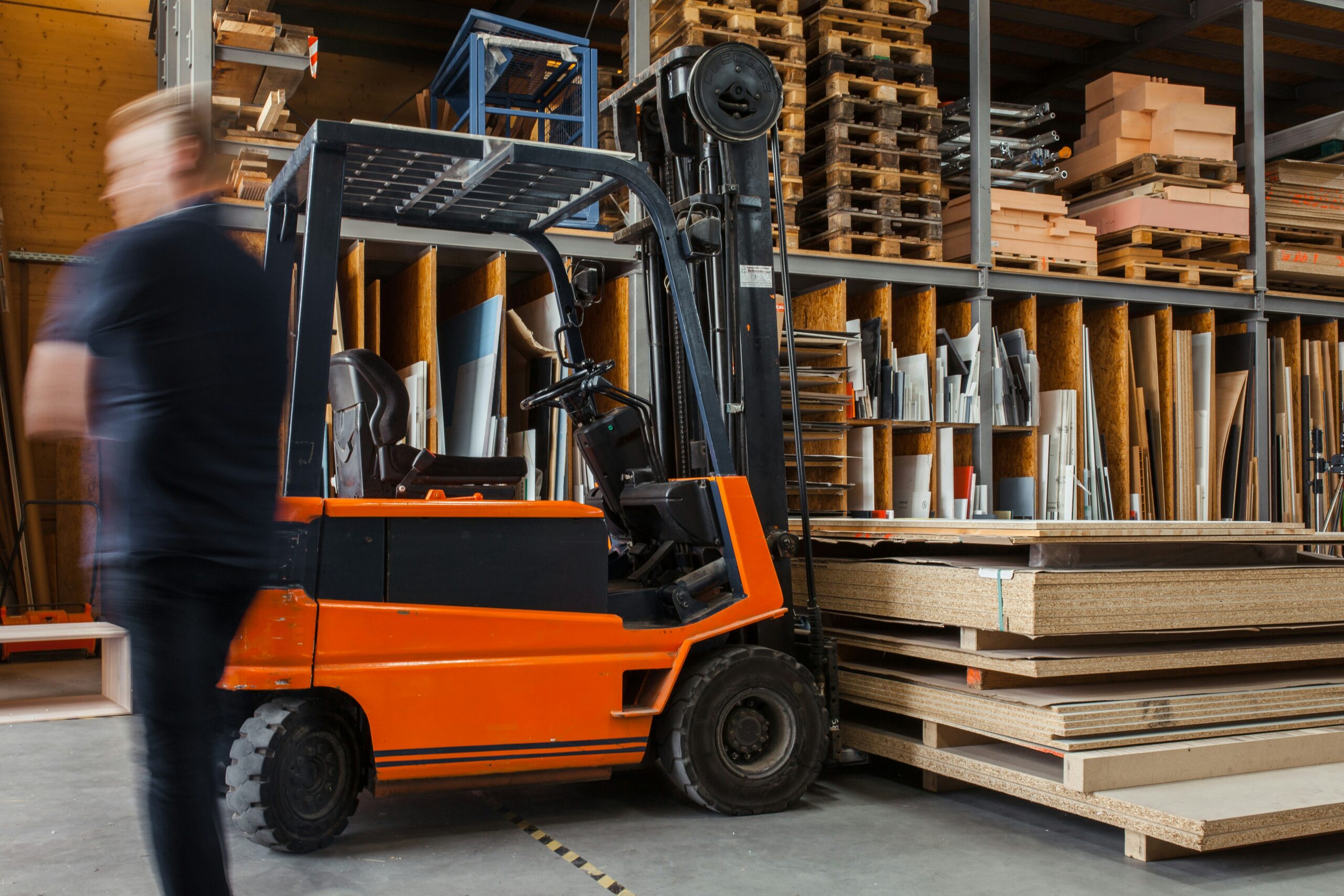
    The material handling industry is experiencing a major shift, with forklifts emerging as a dominant force in automation. Businesses across warehousing, manufacturing, and automotive sectors are increasingly turning to automated forklifts to streamline operations and address workforce shortages. But what’s driving this trend, and how does it compare to other automation solutions like mouse vehicles?

    Why Forklifts Are on the Rise

    Industry experts agree that the counterbalance forklift segment is booming. In North America, where specific pallet types require counterbalance vehicles, demand has surged. While forklifts have always played a crucial role in material handling, their recent growth can be attributed to their versatility. Unlike mouse-type vehicles, which require additional infrastructure, forklifts can pick up pallets directly from the floor, making them a more efficient solution for various industries.

    One of the key factors fueling this demand is the labor shortage. Forklift operators require specialized training and licensing, making it challenging for businesses to find and retain skilled workers. As a result, companies are investing in Automated Guided Vehicles (AGVs) and Autonomous Mobile Robots (AMRs) to fill the gap.

    The Decline of Mouse Vehicles?

    While mouse-type automation solutions were once a popular entry point for companies looking to integrate AGVs and AMRs, there has been a noticeable shift. Developing a mouse vehicle is relatively easy compared to building a robust forklift, leading to an oversaturated and commoditized market. Many well-established AMR companies that initially introduced mouse vehicles are now focusing on forklifts and low lifters to stay competitive.

    The Growing Focus on Pallet Handling

    Pallet movements have always been a focal point in automation, but labor shortages have intensified the need for efficient solutions. Managing pallets with mouse vehicles often requires additional infrastructure, increasing costs. Forklifts, on the other hand, offer a more practical and scalable alternative.

    In regions with standardized pallets, such as Europe, forklifts provide an added advantage. Additionally, third-party logistics (3PL) providers and other high-volume operations are prioritizing forklifts to enhance efficiency and reduce dependency on manual labor.

    Floor-to-Floor (F2F) Transport and Beyond

    A significant portion of pallet movements occur on the floor—whether it’s from end-of-line production to staging areas or from staging to outbound logistics. This F2F transport accounts for the majority of material handling movements, making forklifts an ideal choice for automation. While there are applications for high-rack storage, the bulk of automated forklift operations remain at ground level.

    The Future of Forklift Automation

    The forklift automation trend shows no signs of slowing down. With businesses seeking more efficient, scalable, and cost-effective solutions, forklifts are becoming the go-to choice for automated material handling. As technology advances, we can expect even greater integration of autonomous forklifts in diverse industries.

    Check out our next blog to see how automation is transforming these systems!

  • AMRs vs AGVs: Pros and Cons—Which Technology Fits Your Needs?

    AMRs vs AGVs: Pros and Cons—Which Technology Fits Your Needs?

    Introduction: In our previous blog, we discussed the key differences between Autonomous Mobile Robots (AMRs) and Automated Guided Vehicles (AGVs). Now that we’ve established how these two technologies operate, it’s time to dive into their pros and cons. Understanding the benefits and challenges of each system will help you choose the best solution for your business. Let’s explore how both AMRs and AGVs perform in real-world settings and how they can improve your operations.


    The Pros and Cons of AGVs

    Pros:

    1. Reliability for Repetitive Tasks: AGVs are perfect for repetitive tasks, such as moving materials along fixed paths in predictable environments. This makes them ideal for manufacturing plants or warehouses with set layouts and consistent operations.
      Example: A large automotive assembly line, where parts need to be transported between stations in a linear manner.
    2. Proven Technology: AGVs have been around for decades and have a long history of success. This means they’re a reliable, proven solution for many industries.
      Example: AGVs have been widely used in warehouses and factories for decades to streamline material handling and improve productivity.

    Cons:

    1. High Infrastructure Costs: AGVs require significant infrastructure, such as magnetic strips or rail systems, which can add to the initial setup costs. This infrastructure can also be expensive to modify if the layout of the facility changes.
      Example: If you decide to move your warehouse layout or add new production lines, you’ll need to reinstall or reconfigure the AGV system, which can be costly.
    2. Limited Flexibility: AGVs can only follow fixed paths, making them less adaptable in environments where layouts change or new obstacles are introduced.
      Example: A busy warehouse that frequently reorganizes its storage or alters inventory routes could find AGVs cumbersome and inefficient.

    The Pros and Cons of AMRs

    Pros:

    1. Flexibility and Adaptability: AMRs excel in environments that are constantly changing. Using advanced sensors, they can navigate dynamically, avoid obstacles, and adapt to changes in their environment without manual intervention.
      Example: In e-commerce fulfillment centers, AMRs can move around people, products, and other robots to deliver goods to various locations on the fly.
    2. Lower Infrastructure Costs: Since AMRs don’t require fixed paths or infrastructure like magnetic strips, the setup costs are generally lower, and modifying the system as your business grows is easier.
      Example: If your business grows or your layout changes, AMRs can adjust without the need for costly infrastructure upgrades.
    3. Easier Maintenance and Modifications: The modular nature of AMRs means that they can be easily scaled or maintained as your operations evolve.
      Example: If your facility expands or adds new tasks, AMRs can be reprogrammed or even upgraded with new capabilities, saving time and money.

    Cons:

    1. Higher Initial Investment: AMRs typically require a larger initial investment due to the advanced technology they use, including sensors and AI systems.
      Example: The upfront cost for setting up a fleet of AMRs in a facility could be higher than the cost of AGVs, especially for smaller businesses.
    2. More Complex Technology: AMRs require more sophisticated technology and programming, which could lead to longer integration times and a steeper learning curve for your team.
      Example: Smaller businesses with limited technical expertise may find it challenging to integrate AMRs into their systems and may need external support or training.

    Conclusion:

    Choosing between AMRs and AGVs depends on your business needs and the nature of your operations. AGVs are ideal for stable environments with fixed tasks and predictable layouts, while AMRs offer more flexibility for dynamic environments that require adaptability. Understanding the pros and cons of each system will help you make the best decision for your facility.

  • AMRs vs AGVs: Understanding the Key Differences in Automation

    AMRs vs AGVs: Understanding the Key Differences in Automation

    Introduction: The world of automation has evolved significantly in recent years, with two powerful technologies—Autonomous Mobile Robots (AMRs) and Automated Guided Vehicles (AGVs)—leading the way in improving logistics, material handling, and operational efficiency. These technologies are commonly used in industries like warehousing, manufacturing, and distribution. However, while their purpose is similar, they operate in fundamentally different ways. In this blog, we’ll explore the key differences between AMRs and AGVs to help you understand which might be the best fit for your business. 


    What is an AGV?

    Automated Guided Vehicles (AGVs) are robotic systems that follow fixed, predefined paths to move materials from one location to another. These vehicles are often used in highly structured environments with repetitive tasks, like moving parts along an assembly line or transferring goods in a warehouse with a fixed layout. AGVs rely on a range of navigation systems such as magnetic strips, optical tags, or embedded rails to guide them along their pre-programmed routes.

    Real-World Example: AGVs are commonly used in automotive manufacturing plants, where they transport heavy car parts from one station to another along an assembly line. They are also used in warehouses with static layouts to move goods between storage areas and shipping docks.


    What is an AMR?

    Autonomous Mobile Robots (AMRs), on the other hand, are more flexible and dynamic. Unlike AGVs, AMRs use sophisticated sensors, such as LiDAR (Light Detection and Ranging), cameras, and artificial intelligence (AI) to navigate and adapt to their surroundings. This allows them to handle more complex environments where obstacles or path changes might occur.

    Real-World Example: AMRs are seen in fulfillment centers like Amazon’s, where they move autonomously between shelves, picking up and delivering inventory. Their ability to navigate around people and obstacles, and change routes on the fly, makes them the ideal solution for rapidly evolving environments.


    Key Differences Between AMRs and AGVs:

    1. Navigation Method:
      • AGVs use fixed path systems like magnetic strips, optical tags, or embedded rails.
      • AMRs use advanced sensors like LiDAR and cameras to navigate autonomously and adapt to changing environments.
    2. Flexibility:
      • AGVs are great for repetitive, stable environments where the layout remains constant.
      • AMRs excel in dynamic environments where layout and tasks can change frequently.
    3. Infrastructure Requirements:
      • AGVs need significant infrastructure investments, such as floor tags or magnetic strips.
      • AMRs require minimal infrastructure, as they can navigate based on the surrounding environment.

    Conclusion:

    Both AMRs and AGVs are valuable technologies in the world of automation, but they each have their own unique strengths. AGVs are excellent for environments where tasks are repetitive and predictable, while AMRs offer greater flexibility and adaptability in changing conditions. In the next blog, we’ll dive deeper into the pros and cons of these technologies to help you decide which one fits your business needs.


    Stay tuned for our next blog, where we’ll explore the advantages and disadvantages of AMRs and AGVs in more detail.

  • Let the Experts Be the Experts: Why Specialization and Partnerships Drive Business Success

    Let the Experts Be the Experts: Why Specialization and Partnerships Drive Business Success

    In today’s fast-paced business environment, many companies try to handle everything internally—whether it’s production, marketing, or customer service. The temptation to manage every aspect in-house can be overwhelming. However, the real key to long-term success lies in focusing on what you do best and partnering with experts who can complement your strengths.

    At Konnected Technology, we firmly believe in the power of specialization. Rather than spreading ourselves thin by trying to master every aspect of a business, we focus on what we do best—integrating automation and technology solutions for manufacturing companies. And when businesses partner with us, they get the benefit of our deep expertise, while they can continue to focus on their core operations. This kind of collaboration not only drives efficiency but also allows businesses to thrive by concentrating on their strengths.


    The Importance of Specialization

    When you focus on what you’re good at, and let others handle specialized tasks, you set the stage for greater efficiency and success. This approach is what drives our work at Konnected Technology. Our team of engineers and software developers are experts in streamlining manufacturing processes through automation and seamless workflow integration. By letting us handle the complex technical side of automation, companies can focus on their primary goal—production—while we ensure their systems are running efficiently and smoothly.

    The key is recognizing when to delegate tasks and when to collaborate with specialists. At Konnected Technology, we bring our expertise in automation to the table, helping businesses enhance their workflow and achieve better productivity without having to worry about managing the intricacies of complex systems.


    The Benefits of Partnering with Experts

    There are numerous benefits to partnering with experts. Here are just a few of the ways this approach can benefit your business:

    • Increased Efficiency
      Experts, like us, come equipped with the tools, knowledge, and experience to handle specialized tasks quickly and effectively. By outsourcing these functions to us, companies can focus on their core operations, resulting in overall improved efficiency.
    • Cost Savings
      Building in-house expertise in automation can be expensive and time-consuming. As specialists, we provide cost-effective solutions that allow businesses to access advanced technology and services without the overhead of developing them internally.
    • Access to Cutting-Edge Technology
      We stay on top of the latest trends and advancements in automation technology. Partnering with Konnected Technology means gaining access to the latest and most innovative solutions, without the need to invest in complex, costly systems yourself.
    • Scalability and Flexibility
      We understand that as businesses grow, their needs evolve. That’s why our automation solutions are scalable and flexible, able to adapt as companies grow and their requirements change.

    Why Konnected Technology Is the Right Partner for Manufacturing Companies

    At Konnected Technology, we know that manufacturers excel at making their products. But when it comes to automating processes and improving workflows, that’s where we come in. As trusted integrators, we specialize in providing tailored automation solutions that seamlessly integrate with a company’s existing systems.

    Our mission is simple: to help manufacturers become more efficient by automating processes, minimizing manual tasks, and improving overall workflow. By doing so, we enable manufacturers to stay competitive, save on labor costs, and boost productivity—all without disrupting their core operations.


    Building a Stronger Future Through Collaboration

    The key to business success is collaboration. By working with experts like Konnected Technology, businesses can elevate their operations and focus on what they do best. At Konnected, we believe in the power of partnerships, and we are committed to helping manufacturers achieve success by providing the specialized expertise they need to thrive in a fast-paced, tech-driven world.

    At the end of the day, no one can be an expert in everything. But by partnering with the right people—those who bring specialized knowledge and expertise to the table—businesses can achieve more, faster, and more efficiently. By letting experts handle what they do best, companies can ensure they stay competitive, cost-effective, and ahead of the curve.

  • Case Study: How Netflix Dropped the Ball with the Mike Tyson Fight – The Importance of Quality Infrastructure

    Case Study: How Netflix Dropped the Ball with the Mike Tyson Fight – The Importance of Quality Infrastructure

    In the world of live sports broadcasting, there’s no room for error. When Netflix took on the Mike Tyson fight, they were poised to offer fans a seamless viewing experience. However, their technical infrastructure couldn’t handle the demand, leading to widespread frustration among viewers.

    What Went Wrong?

    Despite Netflix’s reputation for on-demand content, their live-streaming capabilities were put to the test with the Tyson fight. Unfortunately, many viewers experienced:

    • Buffering and lag during key moments of the fight.
    • Delayed streaming that made fans miss critical action.
    • Connection failures, preventing some from even watching the fight live.

    The Importance of Quality Infrastructure

    The Tyson fight incident highlights the crucial need for top-tier infrastructure when handling live events, including:

    • Reliable streaming technology to handle large spikes in traffic.
    • Robust Wi-Fi and bandwidth to ensure uninterrupted viewing, even with millions of viewers tuning in at once.
    • Scalable solutions that can adapt to unpredictable demand and avoid breakdowns during high-traffic moments.

    For Netflix, failing to optimize their infrastructure for live events showed just how important reliable connectivity is—something as simple as quality Wi-Fi is essential to keeping audiences engaged.

    The Takeaway

    This serves as a powerful reminder that infrastructure is key, whether you’re streaming live events or running operations in remote industries like mining, agriculture, or logistics. A strong connectivity foundation, including fast and reliable Wi-Fi, is critical to avoid disruptions that could cost you customers and damage your reputation.

    At Konnected Technology, we specialize in providing the high-quality infrastructure your business needs to stay connected—no matter the demand.

    Want to learn more? Get in touch today! 🌐💻 #TechInfrastructure #LiveStreaming #ConnectivityMatters #WiFiSolutions #BusinessSuccess

  • Case Study Blog: Transforming Agriculture with Smart Factory Solutions: A Step-by-Step Case Study

    Case Study Blog: Transforming Agriculture with Smart Factory Solutions: A Step-by-Step Case Study

    Overview: A Vision for Smart Agriculture Agriculture is evolving, and the adoption of Smart Factory solutions is a major driver of this transformation. This case study showcases how one farm strategically implemented these solutions to streamline operations and future-proof their business.

    Problem Statement: Challenges in Modern Agriculture

    Today’s farms face several challenges:

    • Demand Variability: Fluctuations in demand require flexibility and responsiveness.
    • Quality Control: Consistently delivering high-quality products is a priority.
    • Resource Optimization: Efficient use of resources is essential for sustainability.

    The Solution: A Phased Implementation of Smart Factory Systems

    This farm opted for a phased approach, ensuring that each aspect of the Smart Factory solution was tailored to their specific needs. Here’s a breakdown of the implementation process:

    1. Phase 1: Focus on Productivity, Quality, and Warehousing
      • Introduction of production management systems for enhanced transparency.
      • Automation of quality tracking to catch issues early in the process.
    2. Phase 2 and 3: Scheduling and Conveyance Tracking
      • Implementation of advanced scheduling to streamline production based on demand.
      • Integration of a conveyance tracking system to monitor materials from production to shipping.
    3. Phase 4: AMR Integration and IoT Controls
      • Deployment of AMRs to handle logistics and reduce cycle times.
      • Use of IoT and AI for real-time monitoring and predictive maintenance, allowing the farm to adjust operations proactively.

    Results: A Future-Ready Farm

    The phased implementation enabled the farm to improve productivity, enhance quality, and optimize resource use. As the final stages unfold, the farm is well-positioned to remain competitive and sustainable, capable of meeting future demands with confidence.

    Conclusion

    This case study illustrates the transformative power of Smart Factory solutions in agriculture. By adopting a phased approach, the farm successfully modernized its operations, demonstrating how technology can elevate efficiency, sustainability, and overall success in farming.

  • Did You Know?: “Phased Implementation: A Strategic Approach to Smart Farming”

    Did You Know?: “Phased Implementation: A Strategic Approach to Smart Farming”

    Transitioning to a Smart Factory requires a thoughtful, phased approach. This ensures that each layer of technology integrates seamlessly and maximizes impact. Here’s how farms are strategically adopting Smart Factory solutions in phases:

    Phase 1: Laying the Foundation

    The initial phase focuses on core elements like productivity, quality, and warehousing systems. By establishing these systems first, farms build a solid foundation for further automation. At this stage, production management systems are introduced to streamline processes and improve transparency.

    Phases 2 and 3: Integrating Scheduling and Conveyance Tracking

    Once foundational systems are in place, the next phases enhance production scheduling and material conveyance. Automated systems track parts from production through to shipping, ensuring serialized traceability and optimal material flow. This integration helps align all parts of the operation, boosting overall efficiency.

    Phase 4 and Beyond: Full Automation with AMRs and IoT

    In the final phases, farms incorporate AMRs to handle logistics, followed by IoT-enabled controls to monitor growing conditions. Advanced technologies like AI detect and address issues early, paving the way for predictive maintenance and proactive quality control.

    The Benefits of a Phased Approach

    Implementing Smart Factory solutions in phases reduces disruption and ensures smooth integration. This strategy allows farms to monitor progress, make adjustments as needed, and maximize the impact of each new technology. By the time full automation is achieved, farms are well-equipped to handle increased demand, maintain quality, and embrace sustainability.

  • Did You Know?: “How Automated Mobile Robots (AMRs) are Shaping Farm Efficiency”

    Did You Know?: “How Automated Mobile Robots (AMRs) are Shaping Farm Efficiency”

    Automation is revolutionizing agriculture, and Automated Mobile Robots (AMRs) are at the forefront of this change. But what are AMRs, and how are they contributing to farm efficiency?

    What Are AMRs?

    AMRs are self-navigating robots designed to perform a variety of tasks autonomously. In agriculture, they’re used to transport materials, streamline logistics, and manage inventory. Unlike traditional automated systems, AMRs can adapt to changes in their environment, making them ideal for the dynamic nature of farming operations.

    The Role of AMRs in Agriculture

    Here are some ways AMRs are enhancing efficiency on farms:

    • Optimizing Pallet Movements: AMRs can handle the movement of heavy pallets, reducing manual labor and speeding up production processes.
    • Reducing Cycle Times: By automating material conveyance, AMRs minimize delays, ensuring that resources are available when needed.
    • Enabling Labor Reallocation: With AMRs handling repetitive tasks, farm staff can focus on more strategic activities, such as quality assurance and process improvement.

    The Impact on Productivity and Sustainability

    AMRs significantly boost productivity by reducing manual intervention, cutting down on errors, and enhancing operational speed. Additionally, they support sustainable practices by minimizing energy use and optimizing material handling. As farms continue to integrate AMRs, they’re better positioned to meet growing demands while maintaining quality and sustainability.

  • Did You Know?: “The Power of Smart Factory Solutions in Modern Agriculture”

    Did You Know?: “The Power of Smart Factory Solutions in Modern Agriculture”

    In the evolving landscape of agriculture, efficiency and precision are key drivers for success. As farming becomes more tech-centric, Smart Factory solutions are paving the way for a new era of productivity and sustainability. But what exactly are Smart Factory solutions, and why are they essential in modern farming?

    Smart Factory Solutions: The New Backbone of Agriculture

    Smart Factory solutions offer a suite of integrated technologies designed to automate and optimize every step of agricultural production. From resource management to quality control, these systems enhance transparency, traceability, and efficiency. The modular nature of these solutions allows farms to scale operations, adapt to changes in demand, and make informed decisions based on real-time data.

    Tackling Agriculture’s Biggest Challenges

    The agricultural sector faces unique challenges that demand innovative solutions:

    • Fluctuating Demand: By implementing automated scheduling systems, farms can adjust production based on demand forecasts, ensuring they meet market needs without overproducing.
    • Quality Control: Smart Factory systems monitor every stage of production, allowing for early detection of quality issues and reducing waste.
    • Resource Management: Automation optimizes the use of resources like water, energy, and raw materials, promoting sustainability and cost-effectiveness.

    Embracing the Future of Farming

    Integrating Smart Factory solutions represents a crucial step toward future-proofing agriculture. As these systems continue to evolve, they promise a sustainable and productive future, ensuring that farms remain competitive in a dynamic market.

  • Finding the Perfect Fit: How to Choose the Right Integrator for Your Project

    Finding the Perfect Fit: How to Choose the Right Integrator for Your Project

    Choosing the right integrator for your project can make all the difference between seamless success and costly missteps. An integrator ensures your technology systems work together efficiently, but finding the right one requires careful consideration. Whether you’re implementing new software, upgrading your infrastructure, or combining multiple systems, here are some key factors to consider when selecting the best integrator for your business.

    1. Understand Your Project Needs

    Before you even begin searching for an integrator, make sure you have a clear understanding of what your project entails. Are you integrating software systems, installing hardware, or both? What are your short-term and long-term goals for this integration? Having a thorough understanding of your needs will help you filter through potential integrators more effectively.

    Pro Tip: Create a detailed project scope document that outlines your objectives, budget, and timeline. Share this with potential integrators to see how well they can align with your vision.

    2. Evaluate Experience and Expertise

    Not all integrators are created equal. Some specialize in specific industries or types of projects, while others may have broader experience. Look for an integrator with a track record of success in your particular industry or with the systems you need integrated. Ask for case studies, testimonials, or references from similar projects they’ve completed.

    Pro Tip: During initial conversations, ask about their approach to challenges similar to those you expect in your project. This will give you a sense of their problem-solving capabilities.

    3. Check Compatibility with Your Internal Team

    The right integrator should not only have technical expertise but should also be able to collaborate effectively with your internal team. Pay attention to how they communicate during your initial meetings—are they listening to your needs? Do they ask insightful questions? A good integrator should feel like a natural extension of your team.

    Pro Tip: Consider a brief trial project or consultation period to gauge how well they work with your team before committing to a long-term engagement.

    4. Assess Their Commitment to Post-Project Support

    Integration doesn’t end when the system goes live. You’ll likely need ongoing support and maintenance to ensure everything continues running smoothly. When evaluating integrators, ask about their post-project support services. Do they offer ongoing maintenance, troubleshooting, and system updates?

    Pro Tip: Opt for an integrator that provides flexible support plans to ensure that your business can get the help it needs after the project is completed.

    5. Understand Their Approach to Scalability

    As your business grows, so too will your technology needs. The right integrator should be forward-thinking, ensuring the solutions they implement can scale with your business. During your selection process, ask how the integrator plans for future growth and what considerations they’ll make to ensure your systems remain adaptable.

    Pro Tip: Choose an integrator who emphasizes modular, scalable solutions that allow you to add new features or services without significant overhauls.

    6. Discuss Budget and Flexibility

    Budget is always a critical factor in any project. When evaluating integrators, be upfront about your budget and see how flexible they are with their services. Do they offer tiered pricing based on different service levels? Can they tailor their solutions to fit within your budget constraints without sacrificing quality?

    Pro Tip: Request detailed cost breakdowns from each potential integrator so you can compare not only the price but the value they offer.

    7. Look for a Long-Term Partnership

    Choosing an integrator isn’t just about the immediate project—it’s about building a relationship that can last over time. Ideally, you want to find an integrator who is committed to your long-term success and is willing to work with you as your business evolves.

    Pro Tip: Ask potential integrators about their approach to long-term partnerships and how they’ve helped other businesses adapt over time.

    Final Thoughts

    Selecting the right integrator is crucial for the success of your project and your business’s future. By evaluating potential integrators based on their experience, communication skills, scalability, and long-term support offerings, you can find the perfect fit that will help your project run smoothly and set you up for continued success.