Author: Konnected Technology

  • The Power of AI

    The Power of AI

    In the past year, there has been a lot of discussion about the advancements of Artificial Intelligence (AI) and how it’s transforming our world.  One way AI is influencing technology is through smart manufacturing.  In this blog, we will embark on a fascinating journey through the realms of intelligent transformation. Get ready to witness how AI is reshaping the manufacturing landscape, empowering businesses to reach new heights of efficiency, productivity, and innovation.

    Picture this: a factory buzzing with activity, where machines work in perfect harmony, seamlessly adapting to changing demands. This is the future of manufacturing, and AI is the driving force behind this remarkable transformation. Let’s delve into the ways AI is revolutionizing manufacturing and paving the way for a more intelligent and sustainable future.

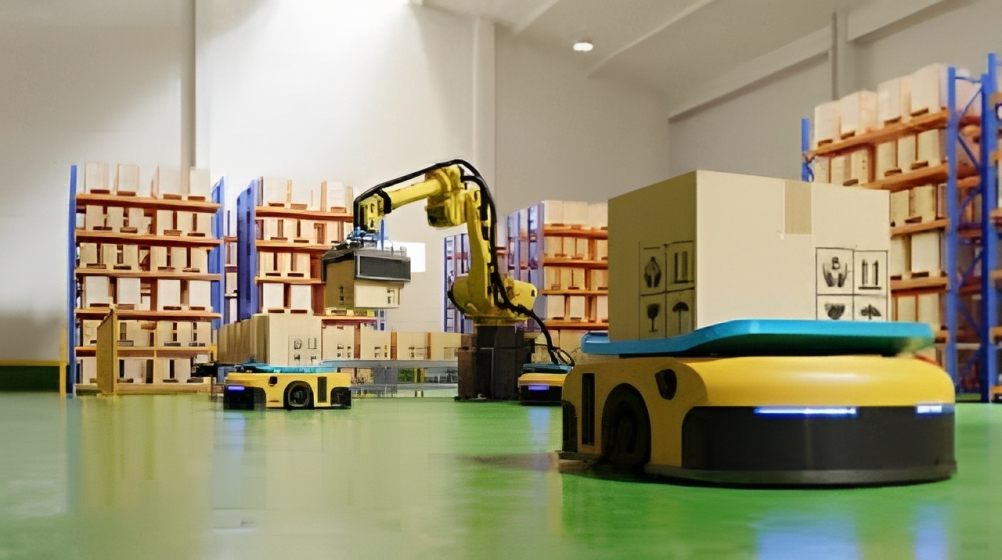
    1. Intelligent Automation: Imagine a workforce of intelligent robots, tirelessly and flawlessly executing complex tasks. AI-powered automation has emerged as a game-changer in manufacturing, augmenting human capabilities and streamlining operations. These robots, equipped with advanced algorithms, learn from vast amounts of data and continuously optimize their performance. They tackle intricate processes with precision and consistency, minimizing errors and boosting production rates. It’s like having a team of tireless and super-efficient co-workers, ensuring high-quality output and rapid scalability.
    1. Predictive Maintenance: In the past, maintenance practices in manufacturing often relied on reactive approaches, resulting in costly downtime and unexpected breakdowns. When adding in AI-driven predictive maintenance it takes maintenance to a whole new level. By analyzing data from sensors, historical records, and machine learning algorithms, AI systems can predict when equipment is likely to require maintenance or face potential failure. This enables manufacturers to schedule maintenance activities at optimal times, avoiding disruptions and optimizing equipment utilization. The result? Reduced maintenance costs, extended machinery lifespan, and uninterrupted production cycles.
    1. Quality Control and Inspection: Ensuring consistent product quality is paramount in manufacturing, and AI is here to lend a helping hand. Through computer vision and machine learning techniques, AI enhances quality control and inspection processes. Visual inspection systems powered by AI can analyze vast amounts of data, quickly and accurately detecting defects and anomalies. This translates into swift identification and removal of faulty products from the production line, minimizing waste and enhancing customer satisfaction. With AI-driven quality control, manufacturers can continuously improve their processes and deliver products that meet the highest standards.
    1. Supply Chain Optimization: The intricacies of managing a modern supply chain can be challenging, but AI offers a lifeline. By harnessing the power of data analysis, AI enables manufacturers to optimize inventory management, forecast demand fluctuations, and enhance overall supply chain efficiency. By examining historical data, market trends, and customer behavior patterns, AI systems make data-driven decisions that optimize inventory levels, reduce costs, and improve delivery times. The result? A well-oiled supply chain that ensures products are available when and where they are needed, delighting customers and bolstering competitive advantage.

    As we conclude our exploration of AI’s impact on manufacturing, it’s evident that we’re on the brink of a transformative era. The integration of AI technology is revolutionizing traditional manufacturing processes, propelling the industry toward a more intelligent and sustainable future. Through intelligent automation, predictive maintenance, enhanced quality control, and optimized supply chains, manufacturing businesses can achieve unprecedented levels of efficiency, productivity, and innovation. It’s an exciting time of change and progress in the manufacturing world.

  • Scaling your business

    Scaling your business

    by

    The term “scaling” has gained widespread usage in this era of rapid growth and significant technological advancements. It is frequently discussed among businesses, alongside other tools and techniques for business development.

    The process of scaling a business involves implementing measures to achieve sustainable and profitable growth. This may entail expanding into untapped markets, boosting production, or streamlining current operations. Scaling is a critical aspect of business success as it enables enterprises to access new customer segments, boost their revenue, and attain long-term stability. In the following sections, we will explore five effective tips for scaling your business, providing relatable examples for businesses operating in diverse industries such as fashion, food and beverage, construction, and digital marketing. 

    Automate Processes

    Automating processes such as issue tracking, automated notifications, and automated root cause analysis can help businesses reduce human error and increase efficiency. For example, a fashion brand can automate notifications for inventory management to ensure that they never run out of popular products. A food and beverage business can automate food processing to ensure consistency and quality control. A construction company can automate PLC integration to streamline project management.

    Optimize Resources

    Optimizing resources such as employee efficiency and waste management can help businesses save costs and improve profitability. For example, a digital marketing agency can optimize employee efficiency by using shift scheduling to ensure that the team is working at maximum productivity. A construction company can optimize waste management by using sustainable building materials and recycling.

    Implement Technology

    Technology such as RFID and Big Data, once implemented, can help businesses gain insights into their operations and make informed decisions. For example, a food and beverage business can use RFID to track inventory and ensure freshness. A forestry company can use Big Data to analyze the health of trees and optimize harvest schedules.

    Expand Markets

    Expanding into new markets can help businesses reach new customers and increase revenue. For example, a fashion brand can expand into international markets to tap into new fashion trends. A food and beverage business can expand into new geographic locations to increase distribution channels. A construction company can expand into new markets to diversify their project portfolio.

    Improve Production Processes

    Improving production processes such as sequenced production and live asset tracking can help businesses increase production capacity and reduce lead times. For example, an automotive manufacturing company can use sequenced production to ensure that parts are delivered in the right order for assembly. A broadcast production company can use live asset tracking to ensure that equipment is available when needed for live events.

    In summary, scaling a business is a crucial component of attaining sustainable and enduring success. By adopting measures such as process automation, resource optimization, technology implementation, market expansion, and production process enhancement, businesses can achieve profitable growth over the long haul. These tips are not limited to any particular industry and can be applied to any enterprise seeking to expand their operations and achieve their objectives.
  • Autonomously Guided Vehicles: Shaping the Future of Transportation

    Autonomously Guided Vehicles: Shaping the Future of Transportation

    by

    Introduction:

    The transportation industry is on the cusp of a revolution with the emergence of autonomously guided vehicles (AGVs). These self-driving vehicles, powered by artificial intelligence (AI) and advanced sensors, have the potential to transform the way we commute, deliver goods, and navigate our cities. In this blog, we will delve into the growing industry of AGVs, explore their benefits, weigh the pros and cons, and make predictions about their future impact.

    The Growing Industry of Autonomously Guided Vehicles:

    AGVs have gained significant traction in recent years, with numerous automotive and technology companies investing heavily in research and development. The industry is witnessing rapid growth, as AGVs have the potential to offer safer, more efficient, and environmentally friendly transportation solutions. Companies like Tesla, Waymo, and Uber have made substantial progress in developing autonomous technology and are actively testing and deploying AGVs in various cities around the world.

    Benefits of Autonomously Guided Vehicles:

    1. Enhanced Safety: AGVs have the potential to drastically reduce accidents caused by human error. With advanced sensors, real-time data analysis, and rapid response capabilities, self-driving vehicles can anticipate and react to potential hazards faster than human drivers. This technology has the potential to save countless lives and reduce the economic and emotional costs associated with accidents.
    1. Improved Efficiency: AGVs have the ability to optimize traffic flow, reduce congestion, and minimize travel times. With connected infrastructure and real-time data sharing, self-driving vehicles can coordinate their movements, leading to smoother traffic patterns and reduced fuel consumption. Additionally, AGVs can navigate more efficiently, eliminating unnecessary stops and accelerations, thus reducing energy waste.
    1. Environmental Impact: The adoption of AGVs has the potential to significantly reduce greenhouse gas emissions. By optimizing routes and driving patterns, self-driving vehicles can minimize fuel consumption and improve overall fuel efficiency. Furthermore, the integration of electric and hybrid technologies in AGVs can further reduce carbon emissions and contribute to a cleaner environment.

    Pros of Autonomously Guided Vehicles:

    1. Increased Accessibility: AGVs have the potential to provide mobility solutions for individuals who are unable to drive due to age, disability, or other limitations. Self-driving technology can empower people with limited mobility and offer them greater independence and freedom to move around.
    1. Cost Savings: With the rise of ride-sharing and mobility-as-a-service platforms, AGVs can significantly reduce transportation costs for individuals and businesses. Autonomous taxis and shared autonomous vehicles can eliminate the need for car ownership, reducing expenses related to maintenance, insurance, and parking.

    Cons of Autonomously Guided Vehicles:

    1. Technological Challenges: Despite significant progress, AGVs still face technological challenges, such as accurately perceiving and interpreting complex environments, adapting to unpredictable situations, and ensuring robust cybersecurity. Overcoming these obstacles requires continuous advancements in AI, sensor technology, and infrastructure.
    1. Employment Disruption: The widespread adoption of AGVs may lead to job displacement in the transportation industry. Drivers of taxis, trucks, and delivery vehicles may face challenges in transitioning to new roles or industries. Addressing the social and economic implications of automation will be crucial to ensure a smooth transition for affected workers.

    Future Predictions:

    1. Autonomous Fleets: The future may see the rise of large-scale autonomous vehicle fleets operated by ride-sharing companies and logistics providers. These fleets could revolutionize urban mobility, reduce congestion, and enhance the efficiency of goods delivery.
    1. Smart Cities: AGVs will play a vital role in the development of smart cities, where interconnected transportation systems optimize traffic flow, reduce energy consumption, and enhance urban planning. Self-driving vehicles will work in harmony with other infrastructure components to create sustainable and efficient urban environments.
    1. Public Acceptance: As AGV technology matures and safety records improve, public acceptance of self-driving vehicles is expected to increase. However, establishing trust and addressing concerns related to privacy, security, and liability will be crucial for widespread adoption.

    Conclusion:

    Autonomously Guided vehicles have the potential to revolutionize transportation, offering enhanced safety, improved efficiency, and reduced environmental impact. While the industry is growing rapidly, challenges related to technology, employment, and public acceptance must be addressed. By investing in research and development, fostering collaboration, and establishing robust regulations, we can pave the way for a future where AGVs seamlessly integrate into our transportation systems, ushering in a new era of mobility and transforming our cities for the better.

  • Clean Technology: Revolutionizing Sustainability for a Better Future

    Clean Technology: Revolutionizing Sustainability for a Better Future

    Introduction:

    Clean technology, often referred to as cleantech, is a rapidly growing field that encompasses various innovative solutions aimed at reducing environmental impact and promoting sustainable practices. As we face the urgent challenges of climate change and resource depletion, clean technology emerges as a beacon of hope, offering transformative solutions for a cleaner, greener, and more sustainable future. In this blog, we will explore what clean technology is and present five key things you need to know about this burgeoning field.


    1. Defining Clean Technology:


    Clean technology refers to a broad range of products, services, and processes that utilize renewable materials and energy sources while minimizing emissions, waste, and the overall environmental footprint. It encompasses various sectors, including energy generation and storage, transportation, waste management, water treatment, and sustainable agriculture. Clean technology aims to meet the world’s growing demands while simultaneously reducing the negative impacts on ecosystems, climate, and public health.


    1. Promoting Renewable Energy:


    One of the central pillars of clean technology is the promotion and utilization of renewable energy sources. Clean energy technologies such as solar power, wind turbines, hydropower, geothermal energy, and bioenergy offer sustainable alternatives to fossil fuels. These sources produce minimal or no greenhouse gas emissions, thereby combating climate change and reducing our reliance on finite resources. The transition to renewable energy is crucial for achieving a low-carbon future and mitigating the effects of climate change.


    1. Enhancing Energy Efficiency:


    Clean technology also emphasizes energy efficiency, which involves reducing energy waste and maximizing the output from energy consumption. Energy-efficient buildings, appliances, and industrial processes are designed to optimize energy use, resulting in reduced energy costs and lower carbon emissions. By adopting advanced technologies such as smart grids, LED lighting, efficient motors, and insulation systems, we can significantly reduce energy consumption and contribute to a more sustainable society.


    1. Fostering Circular Economy:


    Clean technology encourages the adoption of circular economy principles, aiming to minimize waste and maximize resource efficiency. Instead of the traditional linear model of take-make-dispose, a circular economy focuses on keeping materials in use for as long as possible through recycling, reusing, and repurposing. Technologies like advanced recycling systems, waste-to-energy conversion, and sustainable manufacturing processes play a pivotal role in transitioning towards a circular economy. By valuing resources and minimizing waste generation, clean technology contributes to the preservation of natural resources and reduces environmental pollution.


    1. Driving Innovation and Economic Growth:


    Clean technology not only offers solutions to pressing environmental challenges but also drives innovation and economic growth. The transition towards clean energy and sustainable practices has the potential to create new industries, generate jobs, and stimulate economic development. Investments in clean technology research and development spur technological advancements, leading to cost reductions, improved performance, and increased accessibility. Furthermore, the deployment of clean technology solutions can lead to greater energy independence, enhanced energy security, and improved public health outcomes, thereby benefiting societies on multiple fronts.


    Conclusion:


    Clean technology represents a transformative force that holds the key to a sustainable and prosperous future. By harnessing renewable energy, enhancing energy efficiency, fostering a circular economy, and driving innovation, clean technology offers practical solutions to mitigate climate change, protect the environment, and promote sustainable development. It is crucial for individuals, businesses, and governments to embrace clean technology and work collaboratively to create a cleaner, greener, and more sustainable world for generations to come. Together, we can pave the way for a brighter future and ensure the well-being of our planet and its inhabitants.