Category: Automation

  • How to Integrate AI into Your Smart Factory: A Step-by-Step Guide

    How to Integrate AI into Your Smart Factory: A Step-by-Step Guide

    Integrating AI into your smart factory can transform operations and enhance efficiency. Follow these steps to ensure a smooth transition.

    1. Assess Your Needs: Identify areas where AI can provide the most benefit. Common applications include predictive maintenance, quality control, and process optimization.

    2. Choose the Right Technology: Select AI tools and platforms that align with your factory’s needs. Consider factors like ease of integration, scalability, and cost.

    3. Upgrade Your Infrastructure: Ensure your factory’s network and hardware can support AI applications. This might involve upgrading to more robust IoT devices and high-speed internet connections.

    4. Train Your Workforce: Provide training for employees on how to use AI tools and collaborate with automated systems. This can include workshops, online courses, and hands-on practice.

    5. Implement in Phases: Start with a pilot project to test the AI system in a controlled environment. Gradually scale up based on the results and feedback from workers.

    6. Monitor and Optimize: Continuously monitor the performance of AI systems and gather data to identify areas for improvement. Use this information to fine-tune processes and enhance collaboration.

    7. Ensure Data Security: Protect sensitive information by implementing robust cybersecurity measures. This includes encrypting data, regular software updates, and employee training on best practices.

    8. Foster a Collaborative Culture: Encourage a culture of collaboration between human workers and AI systems. Highlight the benefits of AI in enhancing their roles rather than replacing them.

    By following these steps, you can successfully integrate AI into your smart factory, boosting efficiency and creating a harmonious human-machine collaboration environment.

  • Embracing the Future: Human-Machine Collaboration in Smart Factories

    Embracing the Future: Human-Machine Collaboration in Smart Factories

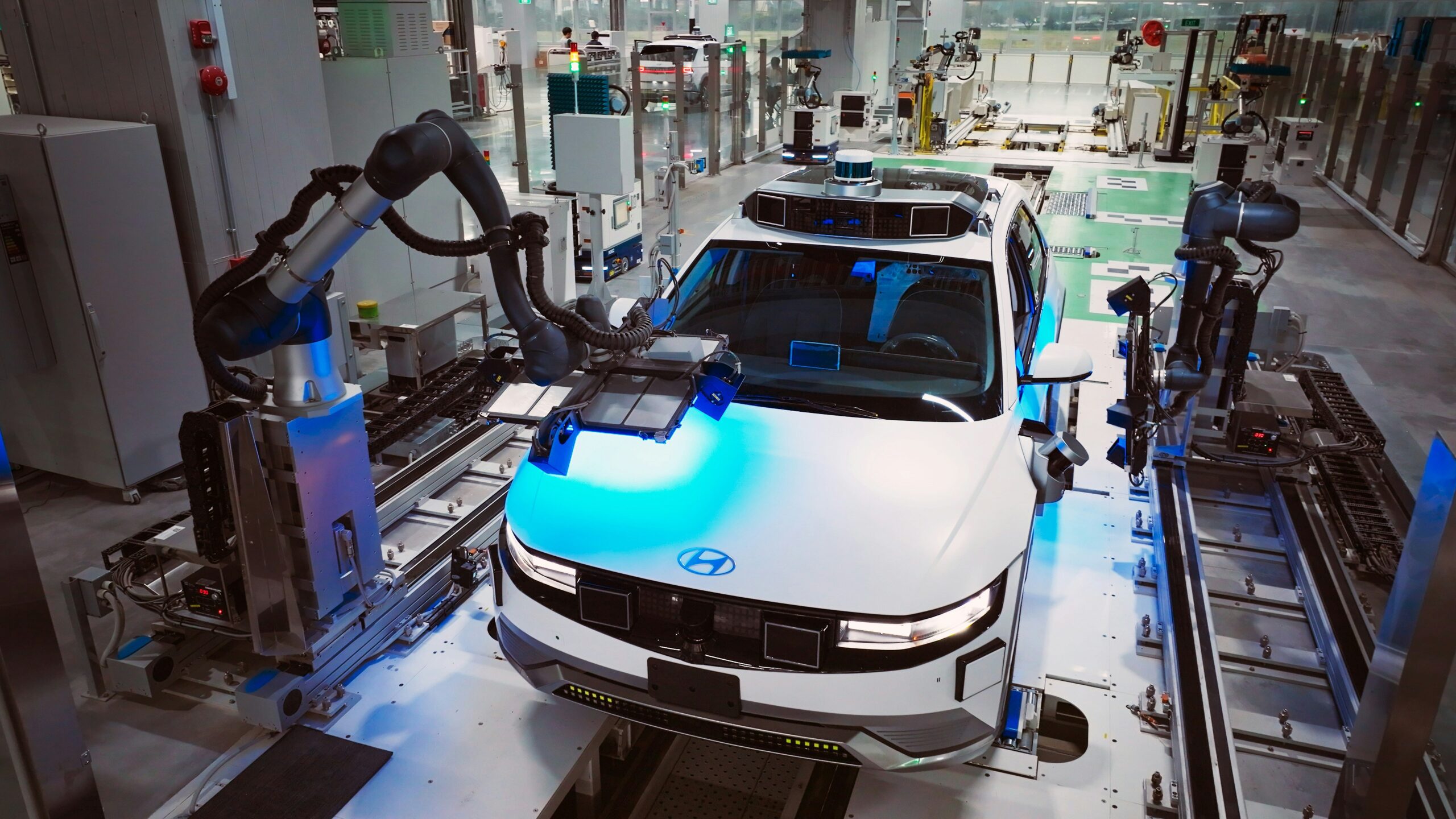
    In the era of Industry 4.0, the convergence of human expertise and advanced technology is redefining the manufacturing landscape. Smart factories, equipped with cutting-edge AI and IoT systems, are at the forefront of this revolution. By fostering seamless human-machine collaboration, these factories are not only enhancing productivity but also creating safer and more efficient workplaces.

    The Evolution of Smart Factories

    Smart factories represent the next step in the evolution of manufacturing. They utilize interconnected machines, sensors, and software to collect and analyze data in real-time. This data-driven approach allows for unprecedented levels of automation, precision, and optimization. However, the true power of smart factories lies in their ability to augment human capabilities.

    Key Technologies in Human-Machine Collaboration

    Human-Machine Interfaces (HMIs): HMIs are crucial in smart factories, enabling workers to interact with machines intuitively. Touchscreens, voice commands, and gesture controls allow for easy and efficient operation of complex machinery. By simplifying these interactions, HMIs reduce the learning curve and empower workers to leverage advanced technology effectively.

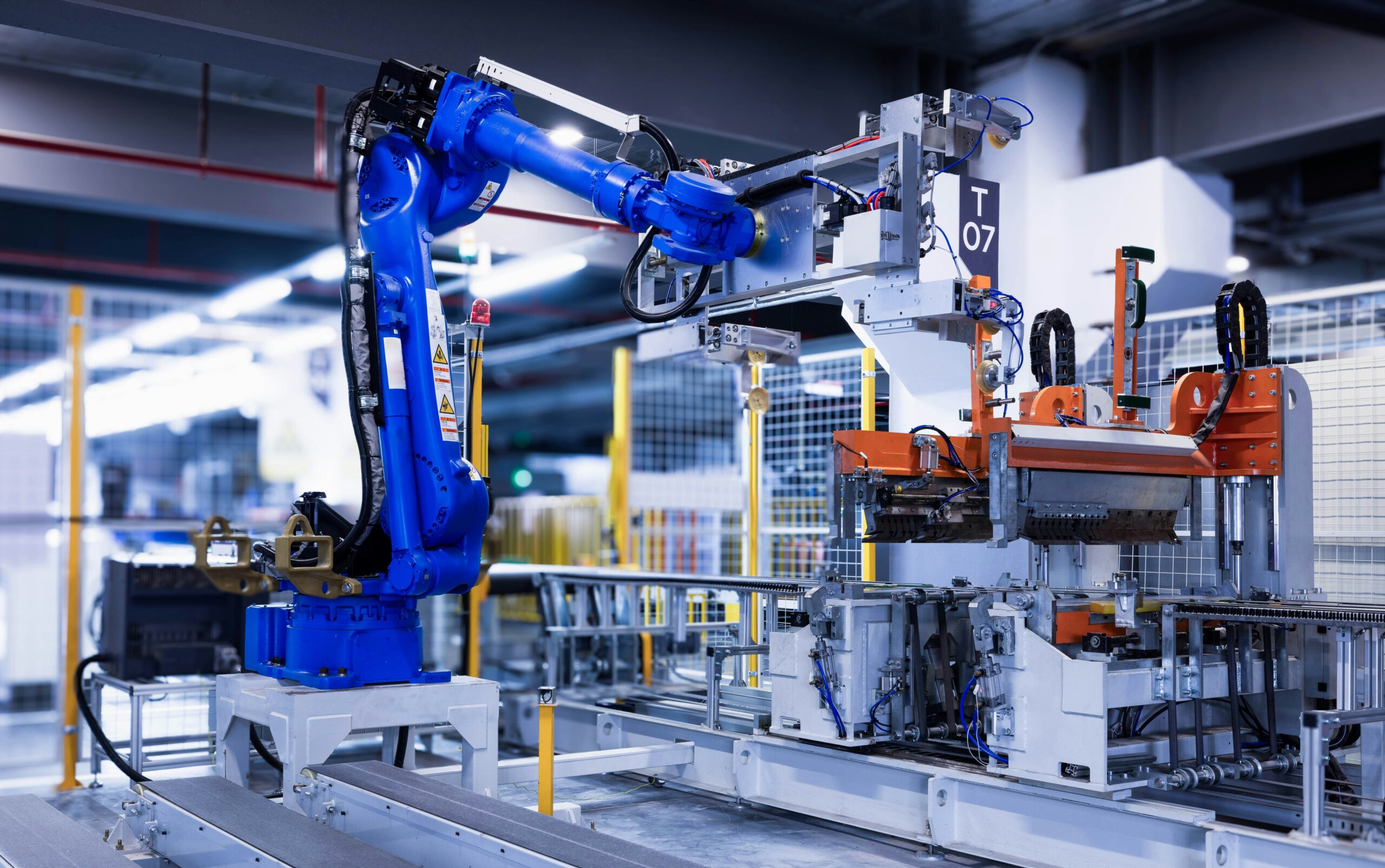
    Collaborative Robots (Cobots): Unlike traditional industrial robots, cobots are designed to work alongside human workers. They handle repetitive, dangerous, or physically demanding tasks, allowing humans to focus on more strategic and creative activities. Cobots are equipped with sensors and AI algorithms that ensure safe and efficient collaboration.

    Wearable Technology: Wearable devices, such as smart glasses and wristbands, provide workers with real-time data and alerts. These devices can monitor vital signs, track movement, and even offer augmented reality (AR) overlays to guide workers through complex procedures. Wearables enhance both productivity and safety on the factory floor.

    Digitalization of Standard Operating Procedures (SOPs): By digitizing SOPs, smart factories ensure that workers have instant access to the latest guidelines and instructions. This not only improves compliance and consistency but also allows for real-time updates and feedback, streamlining processes and reducing errors.

    Benefits of Human-Machine Collaboration

    Enhanced Productivity: Automation and AI take over routine tasks, freeing human workers to tackle more complex and value-added activities. This division of labor leads to increased overall efficiency and productivity.

    Improved Safety: Machines and cobots can handle hazardous tasks, significantly reducing the risk of workplace injuries. Additionally, wearable devices monitor workers’ health and safety, providing alerts in case of potential hazards.

    Higher Quality: AI-powered quality control systems can detect defects with greater accuracy than human inspectors, ensuring higher standards and reducing waste.

    Predictive Maintenance: AI systems can predict when machines are likely to fail, allowing for proactive maintenance. This minimizes downtime and prevents costly disruptions.

    Sustainability: Smart factories optimize resource usage and reduce waste, contributing to more sustainable manufacturing practices. AI algorithms can analyze energy consumption and identify areas for improvement, helping factories reduce their environmental footprint.

    Challenges and Considerations

    While the benefits of human-machine collaboration are significant, there are also challenges to address:

    High Initial Costs: Implementing AI and IoT technologies requires substantial investment. Small and medium-sized enterprises may find it challenging to bear these costs.

    Integration Complexity: Integrating new technologies with existing systems can be complex. It requires careful planning, technical expertise, and time.

    Skill Gaps: Workers need to be trained to operate and interact with new technologies. This necessitates investment in education and training programs.

    Cybersecurity Risks: Increased connectivity exposes factories to cybersecurity threats. Robust security measures are essential to protect sensitive data and systems.

    Job Displacement: Automation can lead to concerns about job displacement. It’s crucial to manage this transition by reskilling workers and creating new roles that leverage human creativity and decision-making.

    The Road Ahead

    Human-machine collaboration in smart factories is not just a trend; it’s a transformative force that is reshaping the manufacturing industry. By blending human ingenuity with the precision and efficiency of machines, smart factories are setting new standards for productivity, safety, and sustainability.

    As we move forward, it’s essential to embrace this collaboration thoughtfully, addressing challenges and ensuring that the transition benefits both workers and businesses. With the right approach, human-machine collaboration can unlock unprecedented potential, driving innovation and growth in the manufacturing sector.

  • Safeguarding Your Marina: Preventing Fires with Smart Marina powered by Konnected Technology

    Safeguarding Your Marina: Preventing Fires with Smart Marina powered by Konnected Technology

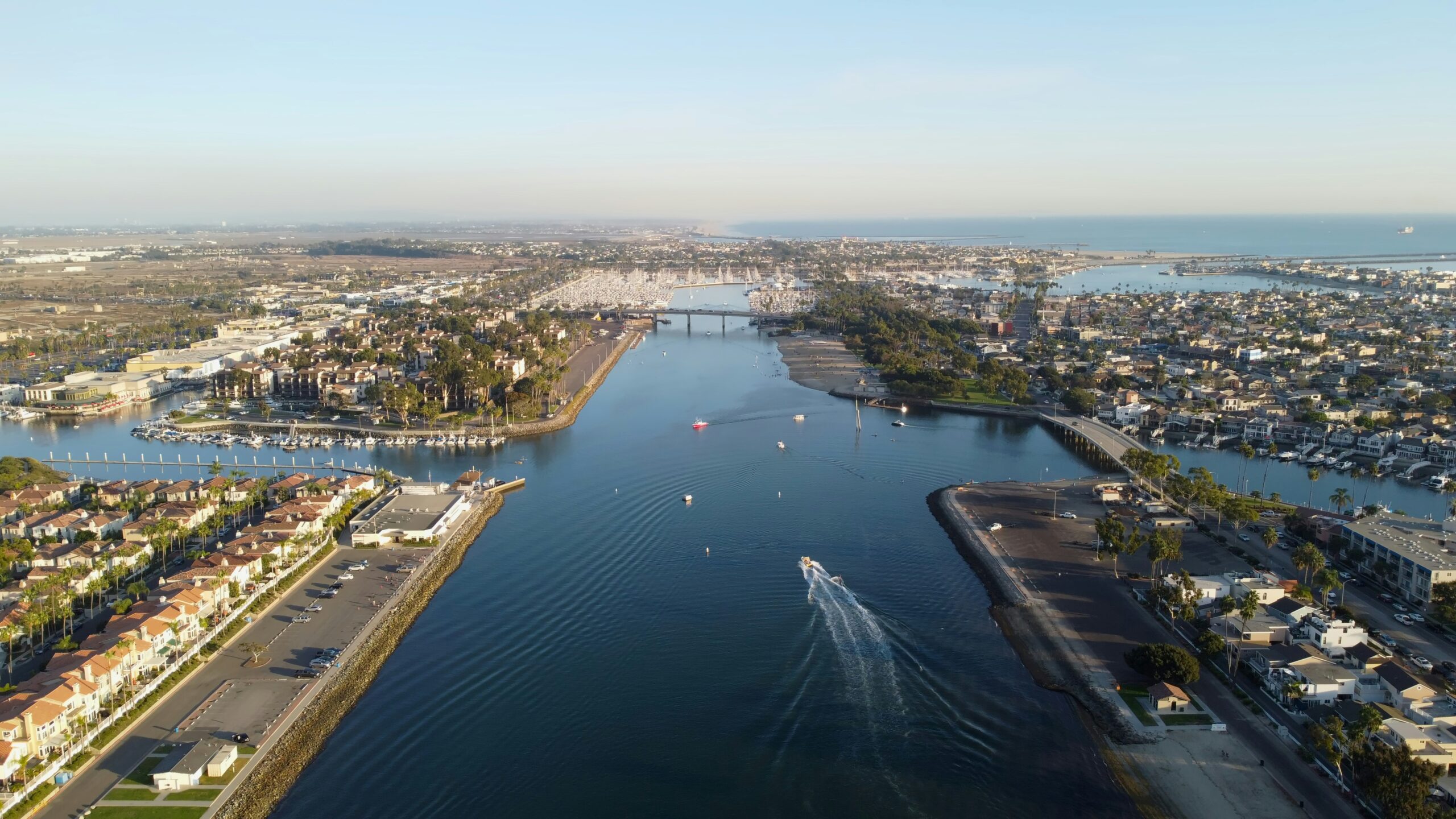
    The tranquility of a marina can quickly turn into chaos when disaster strikes. Among the most alarming threats is the risk of fire—a peril that can spread rapidly and wreak havoc on boats, property, and lives. As stewards of safety and innovation, it’s imperative for marina owners and managers to stay ahead of such dangers. Enter Smart Marina powered by Konnected Technology, offering cutting-edge solutions to mitigate the risks and consequences of fires in the marina environment.

    The Peril of Marina Fires

    Fires in marinas pose a unique set of challenges. With numerous vessels in close proximity, highly flammable materials, and limited escape routes, even a small fire can escalate into a catastrophic event within minutes. What’s more, traditional fire detection systems may not provide adequate coverage or early warning, leaving marinas vulnerable to devastating losses.

    Early Detection: The Key to Prevention

    Recognizing the urgent need for effective fire prevention measures, Smart Marina harnesses the power of Konnected Fire Detection systems, equipped with state-of-the-art thermal imaging technology. Here’s how it works:

    Thermal Imaging

    Traditional smoke detectors rely on detecting particles in the air, which may not be effective in detecting fires in open-air environments like marinas. Konnected Fire Detection systems, however, utilize thermal imaging cameras to detect infrared radiation and identify heat signatures associated with fires. This advanced technology enables early detection of fires, even in their nascent stages, allowing for swift intervention before they escalate.

    Integration

    Seamless integration is key to maximizing the effectiveness of fire detection systems. Konnected Technology seamlessly integrates with existing fire alarm systems, enhancing their capabilities and extending coverage to areas previously inaccessible by conventional detectors. By leveraging existing infrastructure and augmenting it with cutting-edge technology, Smart Marina ensures comprehensive fire protection across the entire premises.

    Alarm Triggering

    Early detection is only the first step—prompt action is essential to prevent the spread of fires and minimize damage. When a potential fire is detected, Konnected Fire Detection systems trigger alarms and initiate predefined response protocols. Whether it’s notifying marina staff, activating fire suppression systems, or alerting emergency services, every second counts in mitigating the impact of a fire.

    Embracing Innovation for Safety

    As stewards of safety and innovation, marina owners and managers have a responsibility to prioritize the well-being of their patrons and assets. By investing in advanced fire detection solutions from Smart Marina powered by Konnected Technology, they can fortify their defenses against the ever-present threat of fires.

    Don’t wait for disaster to strike—take proactive measures to safeguard your marina and protect what matters most. Contact Smart Marina today to learn more about our comprehensive fire detection solutions and embark on a journey toward a safer, more resilient maritime environment.

    Together, let’s embrace innovation, empower safety, and ensure that our marinas remain havens of tranquility and security for generations to come. The future of fire prevention is here, and it’s powered by Konnected Technology.

  • Elevating the Marina Experience with Premium Wi-Fi: A Konnected Technology Solution

    Elevating the Marina Experience with Premium Wi-Fi: A Konnected Technology Solution

    Are you ready to embark on a journey toward a smarter, more connected marina experience? Picture this: seamless internet connectivity, optimized coverage across every corner of the marina, and robust security protocols safeguarding your data. This vision is not just a dream; it’s the reality offered by Smart Marina powered by Konnected Technology.

    In the world of modern boating and marina management, connectivity is key. Whether you’re a passionate boat owner, a dedicated marina owner, or a savvy business looking to enhance your offerings, the importance of premium Wi-Fi cannot be overstated. Let’s dive deeper into why Wi-Fi access is the cornerstone of a superior marina experience:

    High-Speed Connectivity

    Gone are the days of sluggish internet connections and frustrating buffering. With premium Wi-Fi infrastructure in place, marina visitors, boat owners, and staff can enjoy lightning-fast internet speeds, enabling seamless communication, smooth online transactions, and uninterrupted entertainment. Imagine streaming your favorite music playlist while relaxing on your boat or conducting business transactions with confidence and efficiency—all thanks to high-speed Wi-Fi.

    Coverage Optimization

    A truly exceptional marina experience leaves no corner untouched. Through advanced technology and strategic placement of access points, Konnected Technology ensures comprehensive coverage across the entire marina premises. Whether you’re docked at the pier, strolling through common areas, or enjoying a meal at the marina restaurant, reliable Wi-Fi connectivity is always within reach. Say goodbye to dead zones and hello to uninterrupted connectivity wherever you go.

    Secure Network

    In today’s digital landscape, security is paramount. Konnected Technology prioritizes the protection of sensitive data and the privacy of users by implementing strong encryption protocols and robust network security measures. Rest assured that your online activities remain secure and your personal information remains confidential while accessing the Wi-Fi network at Smart Marina. Sail with peace of mind, knowing that your digital safety is in capable hands.

    Now that we’ve explored the undeniable benefits of premium Wi-Fi, it’s time to take action. Whether you’re a boat enthusiast eager to elevate your on-water experience, a marina owner committed to providing top-notch amenities, or a business seeking to enhance customer satisfaction, Smart Marina powered by Konnected Technology is your gateway to a smarter, more connected future.

    Join us in embracing the power of premium Wi-Fi to unlock a world of possibilities at your marina. Contact us today to learn more about our innovative solutions and embark on a journey toward a truly connected maritime experience. Together, let’s navigate the waters of tomorrow with confidence and connectivity at our side.

    The future of marina management is here, and it’s powered by Konnected Technology. Don’t miss the boat—embrace the transformation today.

  • Smart Marinas Explained: A Beginner’s Guide

    Smart Marinas Explained: A Beginner’s Guide

    In today’s digital age, the concept of smart infrastructure has revolutionized various sectors, including marinas. Smart marinas represent the convergence of physical and digital infrastructure, leveraging advanced technologies to enhance operational efficiency, improve decision-making processes, and elevate the overall customer experience. At Konnected Technology, we’re committed to empowering marina owners and operators with cutting-edge solutions that transform their facilities into intelligent, future-ready environments.

    Smart infrastructure is more than just a buzzword – it’s a fundamental shift in the way marinas are designed, managed, and operated. According to a few industry experts, a marina can be deemed “smart” when it incorporates the following key factors:

    1. Centralized Digital Data Collection:

    At the heart of a smart marina lies the ability to collect data from various digital platforms such as software, websites, sensors, and applications. These digital tools enable marina operators to gather real-time information about berth occupancy, weather conditions, fuel consumption, and more, providing invaluable insights into marina operations.

    2. Analysis for Actionable Insights:

    Once the data is collected, the next step is to analyze it to extract meaningful insights. By leveraging advanced analytics tools, marina operators can uncover trends, patterns, and customer behavior insights. This analysis empowers decision-makers to optimize operations, anticipate demand fluctuations, and proactively address potential challenges.

    3. Utilization for Operational Efficiency:

    The ultimate goal of smart marinas is to leverage data-driven insights to enhance operational efficiency and stay ahead of the curve. Armed with actionable insights, marina operators can streamline workflows, allocate resources more effectively, and deliver a superior experience to boaters and visitors.

    Investing in smart infrastructure brings numerous benefits to marina owners.. By leveraging real-time data and analytics, smart marinas enhance operational efficiency, leading to increased productivity and cost savings. Additionally, prioritizing customer satisfaction through personalized services and embracing data-driven decision-making.

    At Konnected Technology, we’re at the forefront of the smart marina revolution. Our innovative solutions empower marina owners and operators to embrace digital transformation, maximize efficiency, and deliver unparalleled experiences to their customers. From centralized data collection platforms to advanced analytics tools, we provide the essential building blocks for creating smart, future-ready marinas.

  • The Crucial Role of Fire Detection in Smart Manufacturing

    The Crucial Role of Fire Detection in Smart Manufacturing

    Smart manufacturing has ushered in an era of unprecedented efficiency and control, thanks to interconnected devices and systems. In this interconnected landscape, one aspect stands out as an absolute necessity – fire detection. Fire detection in smart manufacturing relies on advanced technologies, such as interconnected sensors, thermal cameras, and PLC integration, to safeguard facilities, equipment, and lives. In this blog, we will explore why fire detection is crucial in smart manufacturing, how it can benefit manufacturers and their facilities.

    Early Notification Smart Sensors: A Fire’s First Adversary

    Fire detection is a proactive measure aimed at preventing catastrophic consequences. Early notification smart sensors, often integrated into the facility’s overall monitoring and control systems, play a pivotal role in this process. These sensors, often in the form of gas/dust detectors, are designed to identify the presence of smoke particles – a potential precursor to a fire. When integrated into smart manufacturing, they provide real-time alerts and automated responses. The significance here lies in the speed of detection, allowing manufacturers to act swiftly to prevent fires from escalating.

    Thermal Smart Sensor Cameras: Monitoring the Heat of the Moment

    In smart manufacturing, where precision is paramount, thermal smart sensor cameras are an invaluable asset. These high-tech cameras, like those from FLIR Teledyne, can detect even the smallest temperature differentials, often as subtle as 2 to 3 degrees. They excel at remote monitoring, alarming, and analytics. Their role in fire detection involves identifying areas of unusual heat, which can indicate potential fire risks. By addressing such hotspots promptly, manufacturers can mitigate risks before they escalate into full-blown fires.

    PLC Integration: Machinery that Communicates for Safety

    Konnected Technology boasts extensive experience in integrating with existing Programmable Logic Controllers (PLCs). This integration is pivotal because it allows your machinery not only to communicate with you but with each other. Artificial Intelligence (AI) comes into play, determining which equipment should control process equipment to mitigate damage when a potential fire risk is identified. The result is a proactive response that helps prevent fires or, at the very least, limits their impact.

    Remote Monitoring and Control: Real-Time Response, Anywhere

    In the realm of fire detection for smart manufacturing, remote monitoring and control are nothing short of game-changers. Via a proprietary dashboard, you can monitor trigger levels, receive notifications, and observe temperature trends in real-time. This empowers you to collect data remotely and take control of the system from virtually anywhere. It simplifies the management and response to fire incidents, even if you’re off-site.

    Reduced Insurance Costs: A Tangible Benefit

    Insurance costs are a concern for every business, and manufacturers are no exception. Insurance providers assess the level of risk associated with insuring a particular property or business. A well-implemented fire detection system can significantly reduce the risk of a fire going undetected, leading to a faster response time and potentially less damage. This reduced risk can translate into lower insurance premiums and deductibles, which can have a substantial impact on your bottom line.

    In conclusion, fire detection is not just a safety measure; it’s a smart business move. In smart manufacturing, where precision, efficiency, and safety are paramount, fire detection systems are an indispensable component of your facility’s infrastructure. They offer early warning, remote control, and potential cost savings, all while protecting your most valuable assets – your people, your equipment, and your business.

    Don’t wait until a fire incident becomes a costly disaster. Act now to implement a cutting-edge fire detection system in your smart manufacturing facility. Contact Konnected Technology today to learn more about our comprehensive solutions and how we can make your facility safer and more efficient. Your business, your assets, and your peace of mind are worth it.

  • Smart Technology Integration: Enhancing Boat Houses for Maximum Benefits

    Smart Technology Integration: Enhancing Boat Houses for Maximum Benefits

    Are you ready to take your waterfront living experience to new heights? In this blog, we will dive into the exciting benefits that boat houses bring to boat owners, from generating rental income to providing personal convenience and opening up potential business opportunities. Join us on this journey as we explore why investing in a boat house is a smart and rewarding decision.

    Rental Income: Maximizing Returns

    Imagine turning your boat dock into a lucrative source of rental income. With a boat house located in a popular area where boat slips are in high demand, you can generate a steady stream of rental revenue. Your boat house will become a sought-after destination for boat owners seeking a safe and convenient mooring spot. By capitalizing on this demand, you can enjoy a substantial return on investment while sharing the joys of waterfront living with others.

    Property Value Appreciation: A Solid Investment

    Owning a boat house can be a valuable asset, especially in areas where waterfront properties are highly sought after. As the demand for waterfront locations continues to rise, the value of your boat house is likely to appreciate over time. This appreciation not only enhances your overall financial portfolio but also provides a sense of security and long-term stability.

    Personal Use: Convenience and Freedom

    Investing in a boat house means having a dedicated and convenient space to moor your own boat. No more reliance on public marinas or storage facilities. Enjoy the convenience and freedom of having your vessel at your doorstep, ready for spontaneous adventures and leisurely outings. With a boat house, you have complete control over your boating experience, allowing you to fully embrace the joys of waterfront living.

    Tax Benefits: A Favorable Advantage

    Depending on your jurisdiction and local regulations, owning a boat house may come with enticing tax benefits. These benefits can include deductions for maintenance expenses, property taxes, and even depreciation. By consulting with a tax professional, you can explore the potential tax advantages associated with your boat house investment, ultimately reducing your overall tax liability and enjoying a favorable financial advantage.

    Potential Business Opportunities: Monetizing Your Investment

    Owning a boat house opens up a world of exciting business opportunities. In addition to rental income, you can consider offering additional services to fellow boaters. From boat rentals and maintenance services to storage facilities, your boat house can become a thriving hub for boating enthusiasts. By tapping into these business opportunities, you not only monetize your investment further but also become a vital part of the boating community.

    Conclusion:

    Investing in a boat house is a decision that offers an array of remarkable benefits. From generating rental income and enjoying personal convenience to exploring potential tax advantages and business opportunities, the advantages are simply irresistible. 

    In our upcoming blog, we will introduce you to the remarkable world of smart technology integration for boat houses. Konnected Technology will take your waterfront living to new heights, providing innovative solutions to enhance your boating experience. From remote monitoring and access management to automated lighting and climate control, we have the tools to transform your boat house into a modern oasis of convenience and sophistication.

  • PLC Integration: Embrace the Future of Industrial Automation

    PLC Integration: Embrace the Future of Industrial Automation

    In the fast-paced world of industrial automation, it’s crucial to stay abreast of the latest trends and technologies to drive business success. One technology that is revolutionizing the manufacturing landscape is Programmable Logic Controllers (PLCs). These powerful devices have transformed the way industrial processes are controlled and automated. In this blog, we will delve into the concept of PLC integration, its significance in industrial settings, and how Konnected Technology can provide cutting-edge solutions to seamlessly integrate PLCs into your business operations.

    Understanding PLC Integration:

    At its core, a Programmable Logic Controller (PLC) is a digital computer designed to control machinery and automate processes in industrial settings. PLC integration involves incorporating these controllers into a unified system, enabling seamless communication and coordination between various components of your industrial setup.

    Three Important Components of PLC Integration:

    Enhanced Efficiency: One of the key trends in PLC integration is the focus on enhancing efficiency in industrial processes. By eliminating the need for manual intervention, PLCs reduce human error and optimize production cycles. Through automation and real-time data exchange, PLCs drive improved efficiency, minimize downtime, and boost overall productivity.

    Streamlined Operations: Another trend in PLC integration is the emphasis on streamlining operations. With the integration of PLCs, disparate systems within a manufacturing environment can be connected and controlled from a central point. This centralized approach allows for efficient monitoring, data collection, and analysis, empowering operators to make informed decisions and optimize operations across the entire production line.

    Flexibility and Scalability: PLC integration is also evolving to provide greater flexibility and scalability. As businesses face changing requirements and expanding operations, the ability to adapt becomes crucial. With a unified system enabled by PLC integration, adding new machinery, reconfiguring processes, or expanding production lines becomes seamless and efficient. This flexibility ensures that your business remains agile and responsive to market demands.

    When it comes to PLC integration, Konnected Technology stands at the forefront, offering innovative solutions to seamlessly integrate PLCs into your business operations. Our team of experts combines industry knowledge with cutting-edge technology to provide tailored integration solutions that meet your unique needs. Whether you’re seeking to gain knowledge about PLC integration or are ready to implement it within your system, Konnected Technology is your trusted partner every step of the way.

  • The Power of AI

    The Power of AI

    In the past year, there has been a lot of discussion about the advancements of Artificial Intelligence (AI) and how it’s transforming our world.  One way AI is influencing technology is through smart manufacturing.  In this blog, we will embark on a fascinating journey through the realms of intelligent transformation. Get ready to witness how AI is reshaping the manufacturing landscape, empowering businesses to reach new heights of efficiency, productivity, and innovation.

    Picture this: a factory buzzing with activity, where machines work in perfect harmony, seamlessly adapting to changing demands. This is the future of manufacturing, and AI is the driving force behind this remarkable transformation. Let’s delve into the ways AI is revolutionizing manufacturing and paving the way for a more intelligent and sustainable future.

    1. Intelligent Automation: Imagine a workforce of intelligent robots, tirelessly and flawlessly executing complex tasks. AI-powered automation has emerged as a game-changer in manufacturing, augmenting human capabilities and streamlining operations. These robots, equipped with advanced algorithms, learn from vast amounts of data and continuously optimize their performance. They tackle intricate processes with precision and consistency, minimizing errors and boosting production rates. It’s like having a team of tireless and super-efficient co-workers, ensuring high-quality output and rapid scalability.
    1. Predictive Maintenance: In the past, maintenance practices in manufacturing often relied on reactive approaches, resulting in costly downtime and unexpected breakdowns. When adding in AI-driven predictive maintenance it takes maintenance to a whole new level. By analyzing data from sensors, historical records, and machine learning algorithms, AI systems can predict when equipment is likely to require maintenance or face potential failure. This enables manufacturers to schedule maintenance activities at optimal times, avoiding disruptions and optimizing equipment utilization. The result? Reduced maintenance costs, extended machinery lifespan, and uninterrupted production cycles.
    1. Quality Control and Inspection: Ensuring consistent product quality is paramount in manufacturing, and AI is here to lend a helping hand. Through computer vision and machine learning techniques, AI enhances quality control and inspection processes. Visual inspection systems powered by AI can analyze vast amounts of data, quickly and accurately detecting defects and anomalies. This translates into swift identification and removal of faulty products from the production line, minimizing waste and enhancing customer satisfaction. With AI-driven quality control, manufacturers can continuously improve their processes and deliver products that meet the highest standards.
    1. Supply Chain Optimization: The intricacies of managing a modern supply chain can be challenging, but AI offers a lifeline. By harnessing the power of data analysis, AI enables manufacturers to optimize inventory management, forecast demand fluctuations, and enhance overall supply chain efficiency. By examining historical data, market trends, and customer behavior patterns, AI systems make data-driven decisions that optimize inventory levels, reduce costs, and improve delivery times. The result? A well-oiled supply chain that ensures products are available when and where they are needed, delighting customers and bolstering competitive advantage.

    As we conclude our exploration of AI’s impact on manufacturing, it’s evident that we’re on the brink of a transformative era. The integration of AI technology is revolutionizing traditional manufacturing processes, propelling the industry toward a more intelligent and sustainable future. Through intelligent automation, predictive maintenance, enhanced quality control, and optimized supply chains, manufacturing businesses can achieve unprecedented levels of efficiency, productivity, and innovation. It’s an exciting time of change and progress in the manufacturing world.

  • Scaling your business

    Scaling your business

    by

    The term “scaling” has gained widespread usage in this era of rapid growth and significant technological advancements. It is frequently discussed among businesses, alongside other tools and techniques for business development.

    The process of scaling a business involves implementing measures to achieve sustainable and profitable growth. This may entail expanding into untapped markets, boosting production, or streamlining current operations. Scaling is a critical aspect of business success as it enables enterprises to access new customer segments, boost their revenue, and attain long-term stability. In the following sections, we will explore five effective tips for scaling your business, providing relatable examples for businesses operating in diverse industries such as fashion, food and beverage, construction, and digital marketing. 

    Automate Processes

    Automating processes such as issue tracking, automated notifications, and automated root cause analysis can help businesses reduce human error and increase efficiency. For example, a fashion brand can automate notifications for inventory management to ensure that they never run out of popular products. A food and beverage business can automate food processing to ensure consistency and quality control. A construction company can automate PLC integration to streamline project management.

    Optimize Resources

    Optimizing resources such as employee efficiency and waste management can help businesses save costs and improve profitability. For example, a digital marketing agency can optimize employee efficiency by using shift scheduling to ensure that the team is working at maximum productivity. A construction company can optimize waste management by using sustainable building materials and recycling.

    Implement Technology

    Technology such as RFID and Big Data, once implemented, can help businesses gain insights into their operations and make informed decisions. For example, a food and beverage business can use RFID to track inventory and ensure freshness. A forestry company can use Big Data to analyze the health of trees and optimize harvest schedules.

    Expand Markets

    Expanding into new markets can help businesses reach new customers and increase revenue. For example, a fashion brand can expand into international markets to tap into new fashion trends. A food and beverage business can expand into new geographic locations to increase distribution channels. A construction company can expand into new markets to diversify their project portfolio.

    Improve Production Processes

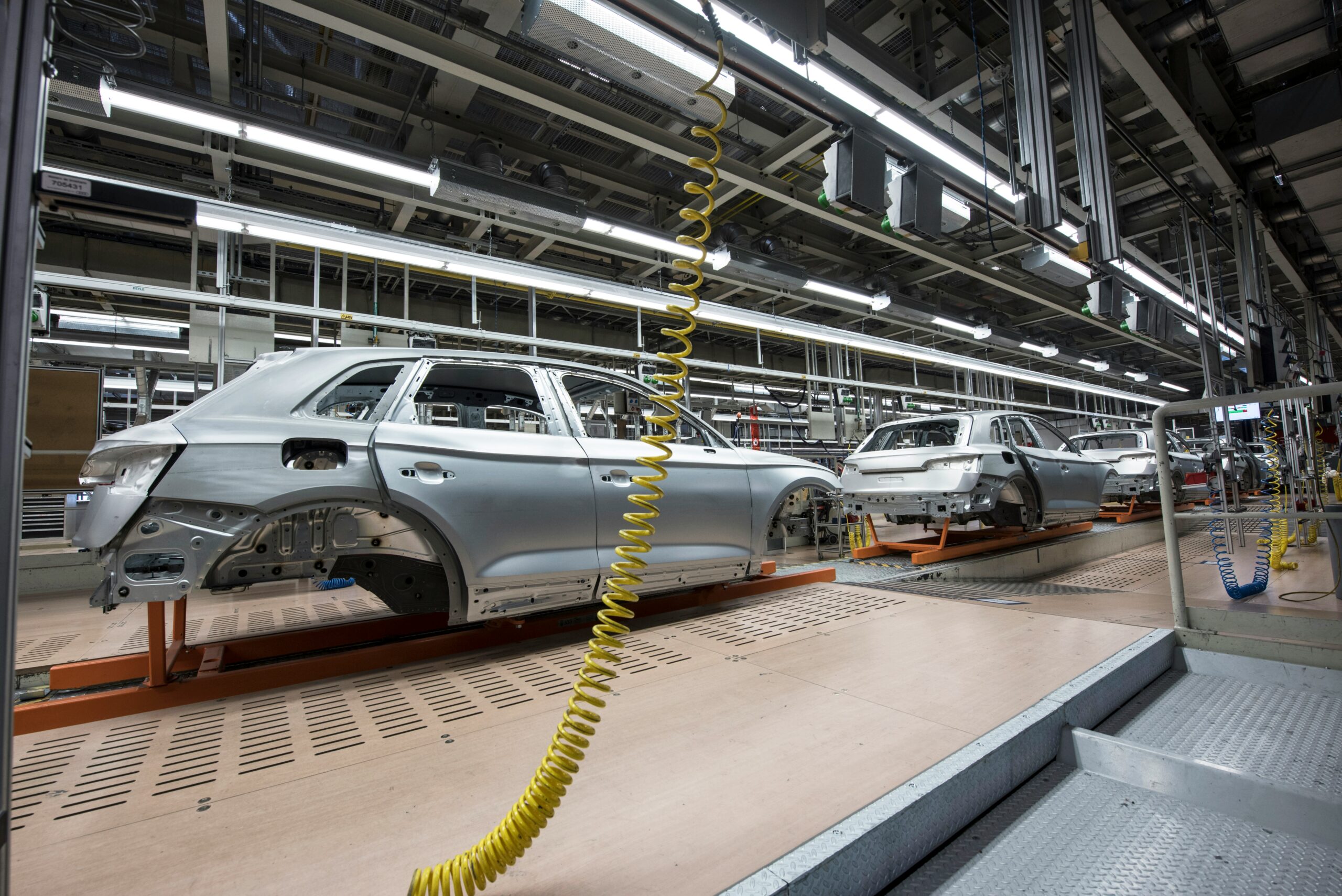
    Improving production processes such as sequenced production and live asset tracking can help businesses increase production capacity and reduce lead times. For example, an automotive manufacturing company can use sequenced production to ensure that parts are delivered in the right order for assembly. A broadcast production company can use live asset tracking to ensure that equipment is available when needed for live events.

    In summary, scaling a business is a crucial component of attaining sustainable and enduring success. By adopting measures such as process automation, resource optimization, technology implementation, market expansion, and production process enhancement, businesses can achieve profitable growth over the long haul. These tips are not limited to any particular industry and can be applied to any enterprise seeking to expand their operations and achieve their objectives.